Manufactured in Greater NoidaGenuine Philips UV-C LampsIIT Patna Alumni on Our TeamExporting to 20+ Countries
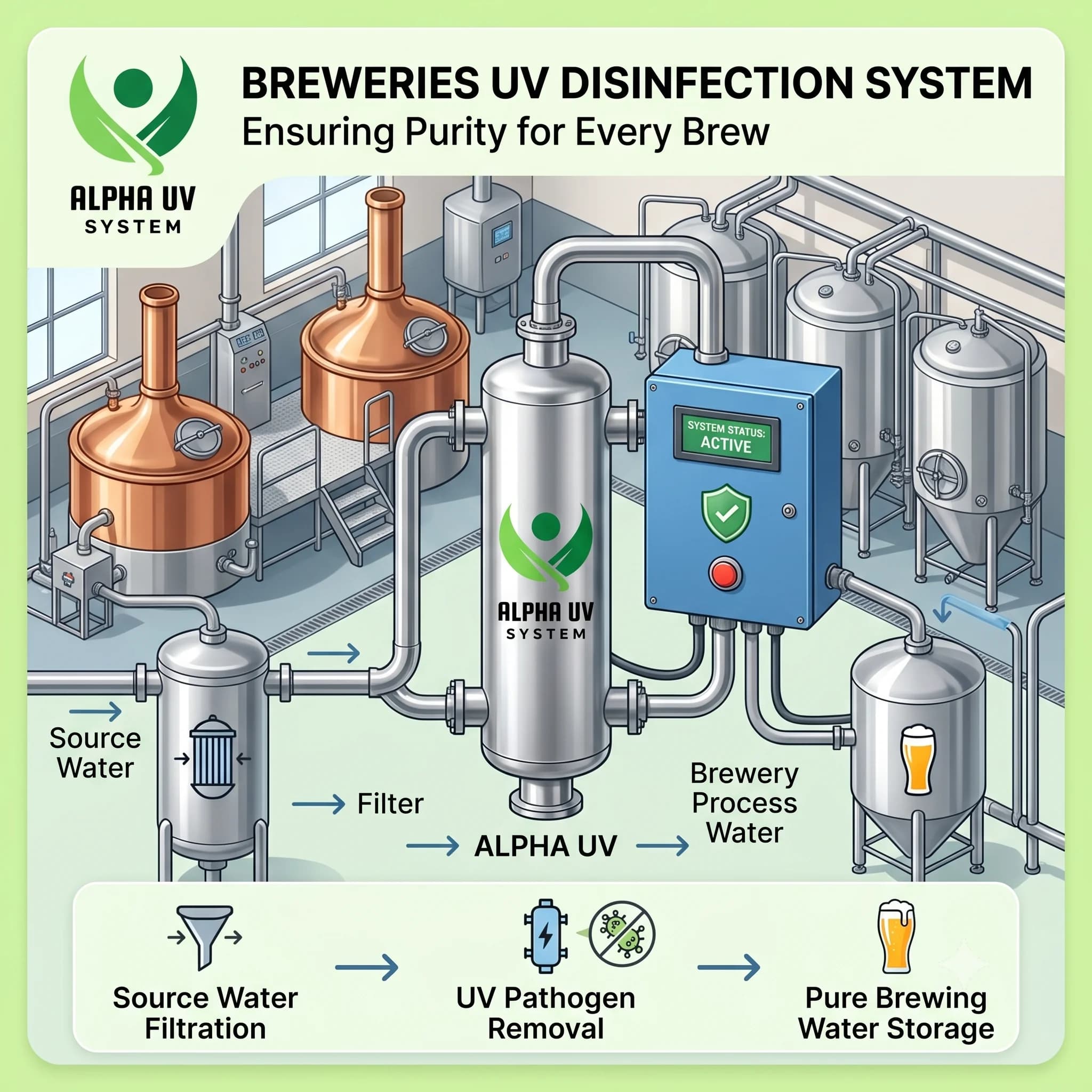
Water is the primary ingredient in beer — typically 90–95% of the final product by weight. Microbiological contamination of brewing water causes catastrophic fermentation failures, off-flavour development, and complete batch losses. Chlorine residual in CIP final rinse water is a brewery's most avoidable quality disaster: chlorine reacts with phenolic compounds in malt and hops to form chlorophenol — a compound detectable at 5–10 parts per trillion that creates an irreversible medicinal, antiseptic off-flavour in finished beer. UV disinfection eliminates both contamination risks simultaneously: 40–80 mJ/cm² inactivates wild yeast, lactic acid bacteria, and beer-spoilage organisms in brewing water, while UV-treated CIP rinse water is chemically clean — zero chlorine, zero chlorophenol risk, zero starter culture kill. Alpha UV System: food-grade SS316L, Philips UV-C, IIT Patna-trained engineers, FSSAI/HACCP documentation.
UV Dose
40–80 mJ/cm²
Capacity
2,000 – 50,000 LPH
Water constitutes 90–95% of finished beer by weight, yet is often the least carefully treated raw material in smaller Indian breweries. Beer style, flavour profile, and yeast health are all profoundly affected by brewing water quality — and microbiological contamination of brewing water is responsible for the majority of catastrophic fermentation failures and off-flavour batch losses in craft and commercial brewing operations.
The American Society of Brewing Chemists (ASBC) Methods of Analysis, Water Section and the European Brewery Convention (EBC) Analytica EBC together define the international technical standards for brewing water quality. Both organisations specify that brewing water must meet the following minimum microbiological requirements: total aerobic plate count < 1 CFU/mL, total coliforms absent per 100 mL, E. coli absent per 100 mL, wild yeast absent, and lactic acid bacteria absent. Briggs et al., Brewing Science and Practice (Woodhead Publishing, 2004) — the reference text for brewing science — dedicates a full chapter to water quality, identifying UV disinfection after carbon filtration as the preferred final water treatment step in commercial brewing.
UV disinfection satisfies all ASBC and EBC microbiological requirements for brewing water in a single pass at 40 mJ/cm²: E. coli is inactivated to below detection limit, coliforms are eliminated, Lactobacillus and Pediococcus (lactic acid bacteria that cause souring and diacetyl off-flavours) are inactivated, and wild Saccharomyces yeast cells are substantially reduced. The result is brewing water that is microbiologically clean for yeast pitch without any chemical addition that would need to be removed before the water contacts the yeast.
Chlorophenol formation in beer is the brewery quality failure most directly prevented by UV disinfection of CIP rinse water. The mechanism is well-understood: chlorine residual in rinse water (even at the trace levels of 0.1–0.5 mg/L that remain after standard CIP final rinse with chlorinated water) reacts with phenolic compounds naturally present in the brewing environment — malt extract residues, hop polyphenols, and oak tannins in conditioning vessels — to form chlorophenol compounds, principally 2-chlorophenol, 4-chlorophenol, and 2,6-dichlorophenol.
These chlorophenol compounds are among the most potent sensory-detectable off-flavours known in brewing — detectable at concentrations of 5–10 nanograms per litre (parts per trillion) by trained tasters, and often detectable even by untrained consumers at 20–50 ng/L. The characteristic flavour is described as medicinal, antiseptic, TCP-like, or rubber-like. Once formed in the finished beer, chlorophenol cannot be removed — the beer must be rejected in its entirety.
ASBC's Beer Defects Manual (2018) identifies chlorophenol as one of the most commonly encountered catastrophic off-flavours in commercial brewing, typically traced to residual chlorine in CIP rinse water or chlorinated municipal water used for dilution. UV-treated CIP rinse water — which contains no chlorine — eliminates chlorophenol formation risk entirely. This single benefit alone justifies the UV system capital cost for any brewery that has experienced a chlorophenol batch loss.
The standard brewing water treatment train in modern commercial breweries follows the sequence: source water (municipal or borewell) → sediment pre-filtration (5 micron) → activated carbon filtration (chlorine and chloramine removal) → optional softening or RO for ion profile adjustment → UV disinfection as the final step.
Activated carbon is the essential step before UV in brewing: it removes residual chlorine and chloramines from municipal supply — which would otherwise kill the brewing yeast — and removes taste and odour compounds that affect beer flavour. However, activated carbon columns harbour bacteria in their media (carbon biofilm), and the water exiting the carbon filter may carry bacterial counts from this biofilm. UV disinfection after the carbon filter eliminates these biofilm-derived organisms, producing clean water for the brewing process.
Palmer and Kaminski, Water: A Comprehensive Guide for Brewers (Brewers Publications, 2013) — the most widely referenced brewing water text for craft brewers — recommends this exact treatment train (carbon then UV) as the standard approach for achieving microbiologically pure brewing water from municipal supply, noting that UV eliminates the need for chlorine or other disinfectants that would interfere with fermentation.
High-gravity (HG) brewing — the commercial production process where concentrated beer at 1.080–1.120 original gravity is fermented, then diluted at packaging to the target ABV of 5–8% — places particularly stringent microbiological requirements on dilution water. At the dilution point, fully fermented and conditioned beer is mixed with dilution water in a ratio of typically 30–50% water to 50–70% beer. This dilution water contacts the packaged product directly, with no subsequent fermentation, heat treatment, or filtration step to control any contamination.
A single contamination event in HG dilution water — even a very low-level wild yeast or Lactobacillus contamination — can inoculate all packaged beer produced during that production run. The result is refermentation in the package (bottle bombs, over-carbonation), off-flavour development during shelf life, and shelf-stable product that presents differently to the consumer than expected. For large commercial breweries producing millions of litres of packaged beer, a dilution water contamination event represents a catastrophic product recall situation.
Alpha UV System recommends 80 mJ/cm² UV dose for HG dilution water — double the standard brewing water dose — to ensure 4-log inactivation even for UV-resistant spoilage organisms (wild Saccharomyces at 25–30 mJ/cm² for 4-log, Brettanomyces at 30–40 mJ/cm²) at end-of-lamp-life UV-C output conditions. For very large commercial HG dilution systems (20,000–50,000 LPH), Alpha UV System designs multi-lamp high-dose UV chambers specifically for this application.
Indian breweries are licensed under FSSAI as food business operators manufacturing packaged alcoholic beverages. FSSAI Food Safety and Standards (Food Products Standards and Food Additives) Regulations 2011 apply to brewing water quality: all water used in beer manufacturing must meet IS 10500:2012 drinking-water quality standards. FSSAI brewery licence renewal inspections include verification of water quality management documentation.
Codex Alimentarius CXC 1-1969 General Principles of Food Hygiene (2020) defines HACCP as the internationally recognised food safety management system applicable to all food manufacturing including brewing. Under HACCP, brewing water is a Critical Control Point requiring continuous monitoring, defined critical limits, corrective action procedures, and maintained records.
Alpha UV System provides Indian breweries with a complete FSSAI and HACCP compliance package for brewing water UV treatment: UV dose calculation report (IIT Patna-trained engineers), Philips UV-C lamp certificates, UV intensity monitoring with 4–20 mA alarm output for brewery BMS or process control integration, HACCP CCP documentation in FSSAI audit format, and NABL-accredited water test coordination for periodic verification. This package satisfies FSSAI brewery licence renewal inspection requirements for water quality management documentation.
Indian craft breweries — microbreweries producing 1,000–5,000 litres per batch — and commercial breweries producing 50,000–5,00,000 litres per day have fundamentally different UV system scale requirements but identical microbiological water quality standards.
For craft breweries (1,000–5,000 LPH brewing water), Alpha UV System supplies compact commercial UV units that fit in a microbrewery's limited plant space, operate on single-phase power (reducing electrical installation requirements), and use standard Philips UV-C lamps available off-the-shelf for annual replacement. The compact footprint — typically 600mm length, 100mm diameter — allows installation in-line on the brewing water supply pipe without a dedicated plant room.
For commercial breweries (5,000–50,000 LPH and above), Alpha UV System industrial UV units provide the high flow rate capacity needed for continuous production. Industrial brewery UV systems include SCADA-compatible Modbus communication, flanged PN16 connections, high-output Philips UV-C lamps, and multi-lamp chamber configurations for very large flow rates.
For both scales, the UV dose requirement (40 mJ/cm² standard, 80 mJ/cm² for HG dilution) and documentation requirements (FSSAI HACCP CCP package) are identical. Alpha UV System provides engineering support and quotation for both craft and commercial brewery UV applications within 24–48 hours. Contact WhatsApp 9318305878 or call 9599500580.
Alpha UV System brewery UV systems are engineered to ASBC and EBC microbiological brewing water quality standards, FSSAI beer manufacturing regulations, and Codex Alimentarius HACCP food safety principles. The UV dose-response data for brewing spoilage organisms is sourced from Hijnen et al. (Water Research, 2006) and validated against ASBC microbiology reference data. The chlorophenol off-flavour mechanism and detection threshold data are sourced from Briggs et al. (Brewing Science and Practice, Woodhead Publishing, 2004), ASBC Beer Defects Manual (2018), and peer-reviewed research in the Journal of the Institute of Brewing.
All Alpha UV System brewery UV systems are supplied with Philips UV-C lamps — the only lamps with independently validated UV-C output certificates and consistent batch-to-batch performance. Counterfeit or substitute UV lamps, increasingly available in the Indian market, have unpredictable and often significantly lower actual UV-C output than labelled specifications — creating a risk of under-dosing that results in inadequate microbial kill despite nominal system operation. Alpha UV System's strict Philips supply chain ensures genuine lamp performance and the certification documentation required for FSSAI and HACCP audit compliance.
Recommended Products
IIT Patna engineers recommend these systems for brewery uv applications based on flow rate, required UV dose, and compliance standard. Both systems use genuine Philips UV-C lamps and ship with complete compliance documentation.
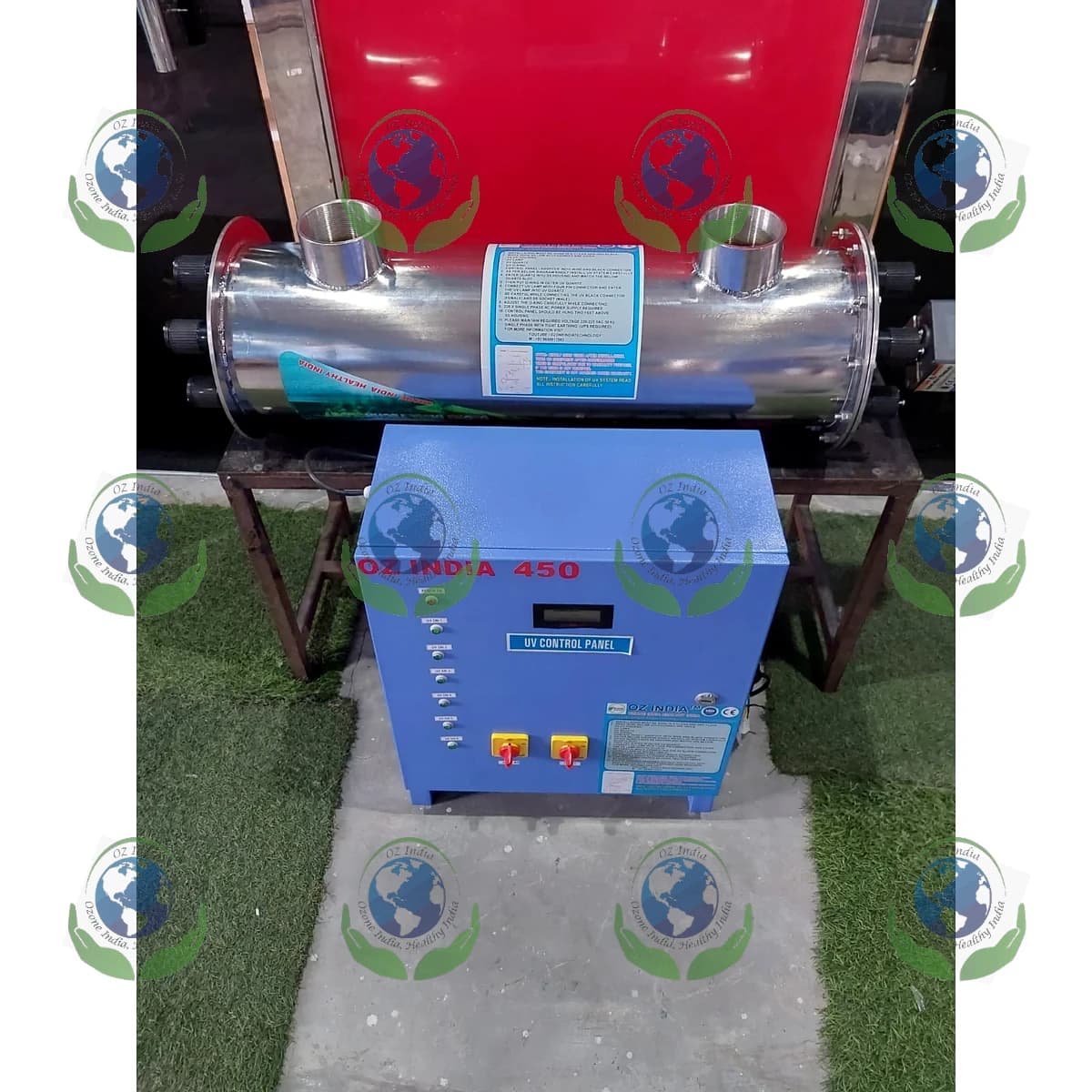
High-flow UV water treatment for pharmaceutical WFI, food & beverage process water, and industrial applications. Revised Schedule M 2025, HACCP, and FSSAI compliant. IQ/OQ/PQ documentation.
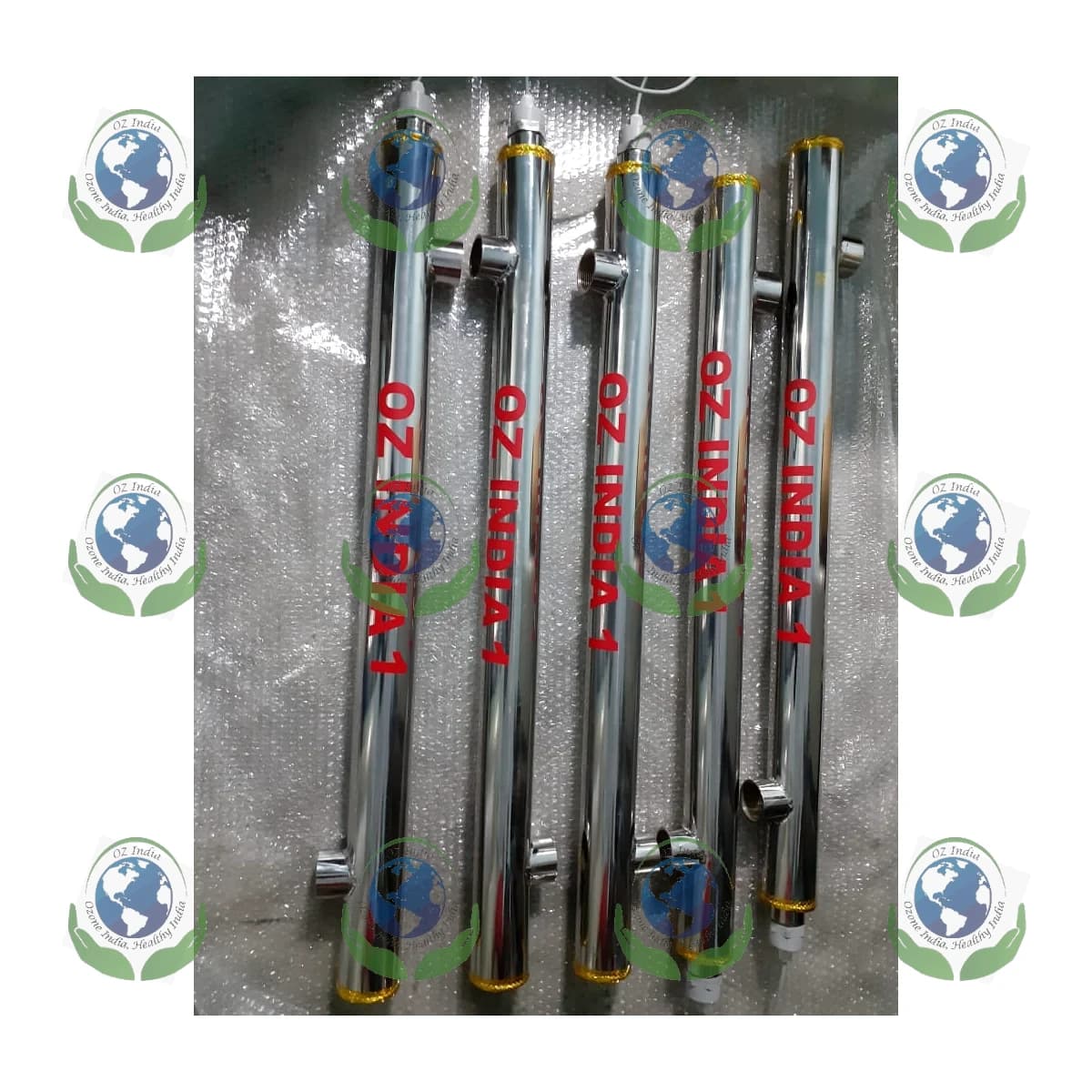
UV water disinfection for hotels, restaurants, offices, and educational institutions. HACCP and FSSAI compliant documentation. Trusted by Taj Hotels, McDonald's India, and IIT Kanpur.
IIT Patna Engineering
Alpha UV System IIT Patna engineers calculate UV dose from your actual water quality parameters — measured UVT, flow rate, target log reduction, and the specific compliance standard that governs your facility. Not from catalogue sizing tables or generic assumptions. Every system ships with a signed UV dose calculation report, a Philips certificate of authenticity, and compliance documentation prepared for the regulatory framework applicable to brewery uv operations.
From measured UVT, flow rate, and target log-reduction. Signed by IIT Patna engineer.
FSSAI · HACCP · ASBC · EBC Water Quality — documentation prepared to the audit checklist, not generic templates.
WhatsApp your flow rate, water quality, and compliance requirement — engineering-backed quote in 2 hours.
Mon–Sat · 9 AM–6 PM IST · IIT Patna alumni on call
Send us your flow rate and compliance requirement — quote with engineering rationale in 2 hours.
+91 93183 05878
Get Quote →
Call Direct
+91 95995 00580
Tap to Call →
Send Enquiry
Detailed specifications form
Open Form →
