Manufactured in Greater NoidaGenuine Philips UV-C LampsIIT Patna Alumni on Our TeamExporting to 20+ Countries
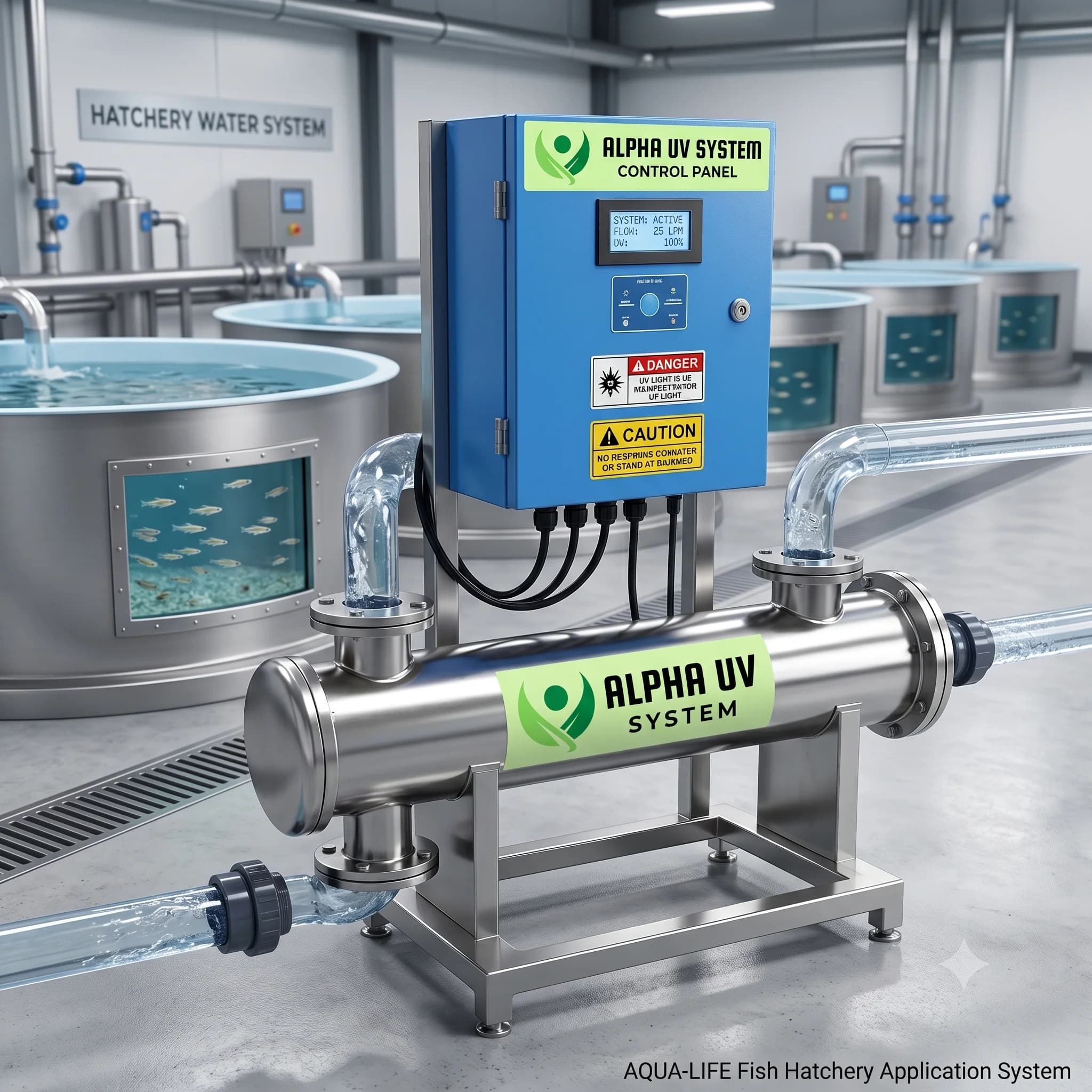
Fish hatcheries are the foundation of both aquaculture production and wild fishery restoration programs — yet they are environments where a single waterborne pathogen event can destroy an entire egg batch or larval cohort within 24 hours. The challenge is fundamentally different from drinking-water disinfection: hatchery UV systems must achieve complete pathogen elimination without any chemical residual that could harm eggs, larvae, or broodstock fish. Chlorine at concentrations effective against fish pathogens is also toxic to fish at the same concentrations — making chemical disinfection at effective doses impossible in live-fish systems. UV disinfection resolves this constraint elegantly: it destroys pathogens at 254 nm with zero chemical input, zero residual in the treated water, and no physiological effect on fish eggs, larvae, or adults. Alpha UV System engineers hatchery UV units for Indian freshwater and marine hatcheries — salmon, trout, carp, catfish, shrimp, sea bass, and ornamental species — with capacities from 500 LPH for small broodstock tanks to 2,00,000 LPH for large flow-through raceways.
UV Dose
40–80 mJ/cm²
Capacity
500 – 2,00,000 LPH
Fish hatchery water harbours pathogens that are devastating to early life-stage fish (eggs and larvae) but harmless to adult fish or non-fish species. Understanding these organisms is essential to specifying UV dose requirements for a hatchery system.
Viral haemorrhagic septicaemia virus (VHSv) and infectious pancreatic necrosis virus (IPNv) are the most feared viral pathogens in salmonid hatcheries, causing mass mortalities in fingerling trout and salmon. Both viruses are inactivated at UV doses of 20–60 mJ/cm² in clear water. Bacterial pathogens including Flavobacterium columnare (columnaris disease), Aeromonas salmonicida (furunculosis), and Yersinia ruckeri (enteric red mouth disease) are all susceptible to UV at doses of 10–30 mJ/cm². Protozoan parasites — Ichthyophthirius multifiliis (ich or white spot disease), Trichodina, and Chilodonella — present a different challenge because their free-swimming infectious stages (theronts and tomites) are larger than bacteria and have lower inherent UV sensitivity; however, UV at 80–120 mJ/cm² effectively prevents their re-establishment in treated inflow water. Saprolegnia (fungal-like oomycete causing egg mold) is particularly important in egg incubation water, where it can destroy entire egg batches within days of spawning; UV at 40 mJ/cm² inactivates Saprolegnia zoospores in inflow water, preventing new infections while not affecting already-infected eggs.
The positioning of UV treatment in a hatchery water circuit depends on the type of water system in use — flow-through (once-through open) or recirculating aquaculture system (RAS). In flow-through systems, where water from a river, borehole, or spring is used once and discharged, the UV unit treats the incoming supply water before it enters egg incubation troughs, larval rearing tanks, or broodstock holding pens. This single-pass disinfection eliminates all pathogens present in the source water, preventing infection of hatchery stock from environmental sources.
In RAS (recirculating aquaculture systems), which recycle 95–99% of water through biological filters, UV is positioned on the return line from the biofilter to the fish tanks. In this position, UV disinfects water that has passed through a biological filter populated with beneficial nitrifying bacteria (Nitrosomonas, Nitrospira). Crucially, UV in a RAS should be sized to treat only a fraction of the total recirculation flow — typically 10–25% — rather than the full flow, because over-treatment would eliminate the free-swimming nitrifying bacteria essential to biofilter function. This partial-flow UV approach reduces the pathogen load to safe levels without disrupting the biological filter ecology. For critical hatchery operations — egg incubation specifically — a separate, full-flow UV unit treats all water entering the incubation troughs regardless of the main RAS UV, providing the highest protection to the most vulnerable stage of fish production.
Different fish species have specific water quality requirements that affect UV system design. Cold-water salmonids (trout, salmon) require water at 8–14°C with high dissolved oxygen and very low turbidity (below 0.5 NTU) — conditions that favour excellent UV transmittance (typically >92% UVT) and allow relatively compact UV chambers to achieve effective doses. Warm-water species (catfish, tilapia, Indian major carps — rohu, catla, mrigal) tolerate higher turbidity and temperature but are equally susceptible to bacterial pathogens in hatchery environments. Marine species (sea bass, grouper, sea bream, shrimp larvae) in recirculating marine hatcheries require saltwater-compatible UV chambers, and the higher refractive index of saline water slightly reduces UV transmittance — a factor accounted for in chamber sizing.
Ornamental fish hatcheries (koi, goldfish, discus, tropical marine fish) operate at small scale with very precise water quality requirements. High-value species like arowana and discus are extremely sensitive to any chemical disinfectant; UV is essentially the only disinfection method compatible with their care requirements. Alpha UV System supplies small-footprint hatchery UV units (500–2,000 LPH) designed for ornamental aquaculture, with food-grade 316L stainless-steel chambers and EPDM seals compatible with freshwater and lightly saline water.
The disinfection of fertilised fish eggs before and during incubation is one of the most specialised applications of UV in hatchery management. Newly fertilised eggs are susceptible to surface bacterial contamination — bacteria colonise the egg chorion (outer shell) within minutes of water hardening. Saprolegnia fungi attach to dead eggs or damaged areas of live eggs, growing hyphae that spread to adjacent live eggs and can eliminate an entire egg tray within 3–5 days if untreated.
UV disinfection of the inflow water to incubation troughs prevents re-infection from the incoming water supply throughout the incubation period (typically 2–6 weeks depending on species and temperature). However, UV treatment of the eggs themselves — by brief direct exposure of fertilised eggs to UV — is also used in some advanced hatchery operations as a surface disinfection step during stripping, fertilisation, and initial water hardening. This 'egg UV treatment' must be carefully dosed: too low and Saprolegnia spores survive; too high and UV damages the fertilising sperm or the developing embryo. Accepted protocols use 40–120 mJ/cm² for a 30-second to 2-minute exposure depending on species, applied immediately after fertilisation before the chorion hardens. Alpha UV System can supply specialised egg-treatment UV units with precise dose-timing controls for hatcheries that require this capability.
India's marine export fisheries operate under the oversight of the Marine Products Export Development Authority (MPEDA) and the Export Inspection Council (EIC), with production facilities subject to audit under the EU's Official Controls Regulations (Regulation EU 2017/625) and FDA 21 CFR Part 123 (HACCP for fish and fishery products) for US exports. Hatchery-reared fish destined for food production must be raised in water that meets the quality standards of the competent authority in the destination country.
For ornamental fish exports — India is one of the world's leading exporters of freshwater ornamental fish — CITES documentation and import-country health certification require evidence that fish are free of specific pathogens including VHS, IHN, and koi herpesvirus (KHV). UV treatment of hatchery water, properly documented, provides evidence of pathogen-control measures that satisfies importing country phytosanitary requirements. MPEDA-certified processing plants that integrate hatchery operations must demonstrate HACCP compliance covering water quality at all production stages; UV water treatment records (intensity logs, dose calculations) form a key component of HACCP critical control point documentation. Alpha UV System provides MPEDA-compatible documentation packages for hatchery UV installations.
Recommended Products
IIT Patna engineers recommend these systems for fish hatcheries applications based on flow rate, required UV dose, and compliance standard. Both systems use genuine Philips UV-C lamps and ship with complete compliance documentation.
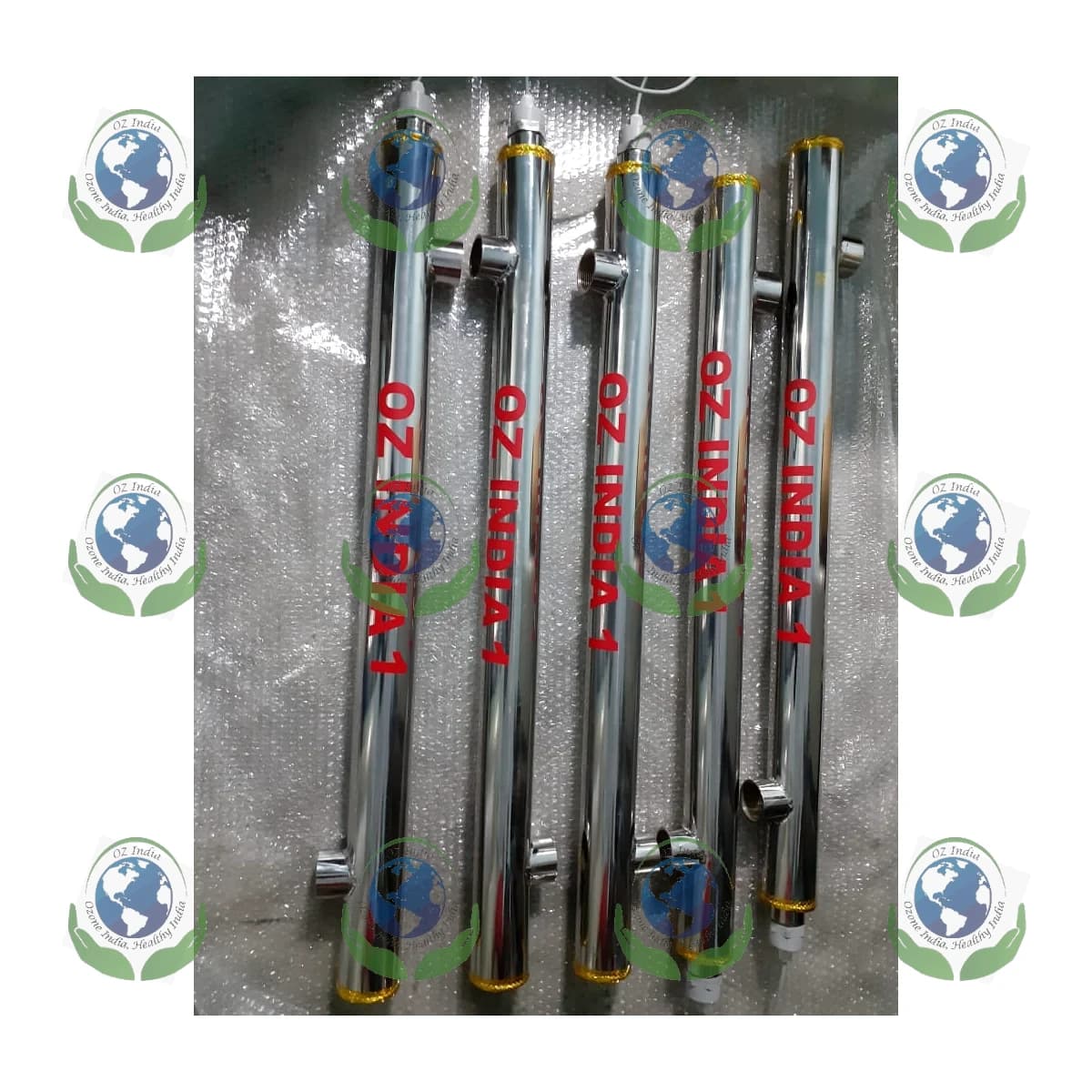
UV water disinfection for hotels, restaurants, offices, and educational institutions. HACCP and FSSAI compliant documentation. Trusted by Taj Hotels, McDonald's India, and IIT Kanpur.
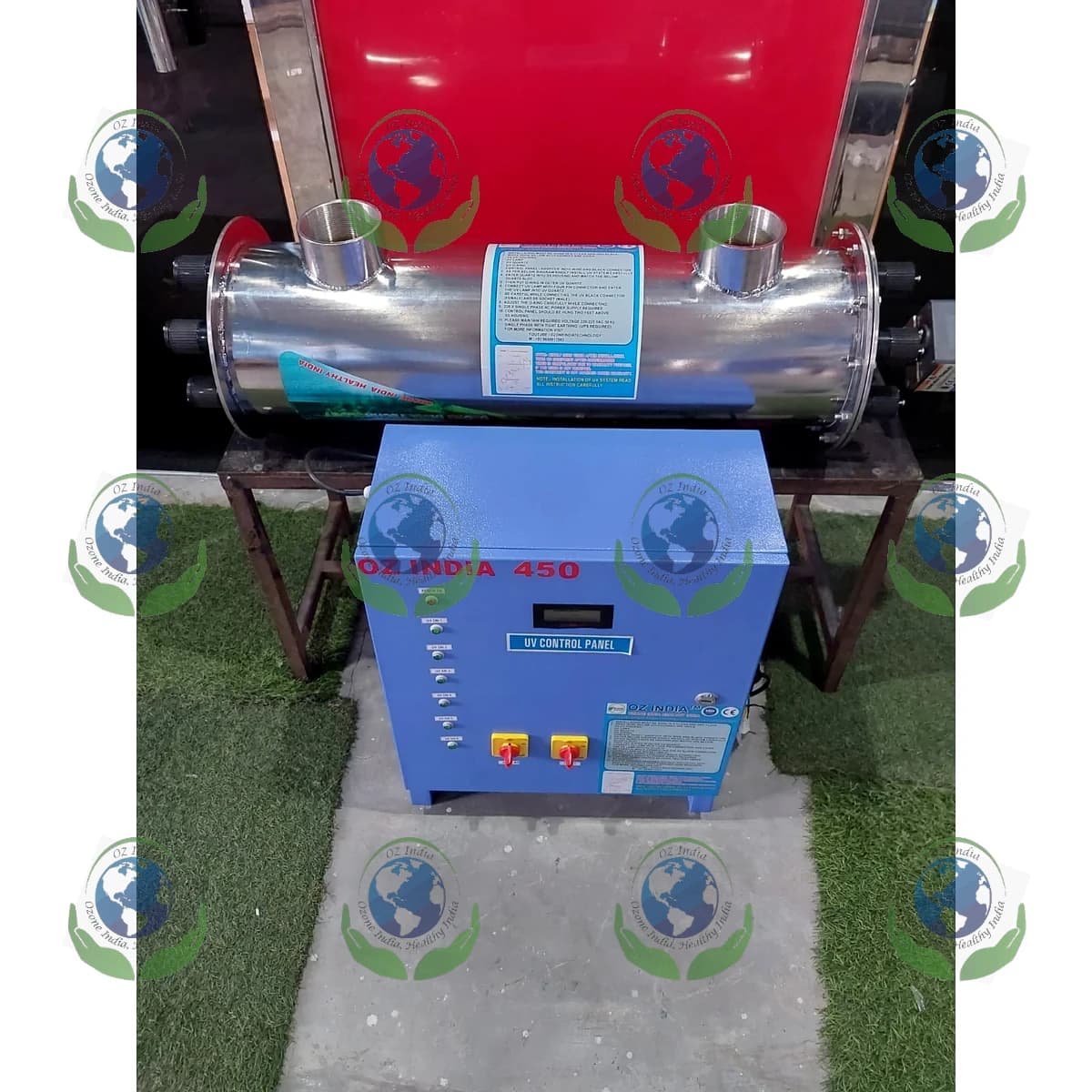
High-flow UV water treatment for pharmaceutical WFI, food & beverage process water, and industrial applications. Revised Schedule M 2025, HACCP, and FSSAI compliant. IQ/OQ/PQ documentation.
IIT Patna Engineering
Alpha UV System IIT Patna engineers calculate UV dose from your actual water quality parameters — measured UVT, flow rate, target log reduction, and the specific compliance standard that governs your facility. Not from catalogue sizing tables or generic assumptions. Every system ships with a signed UV dose calculation report, a Philips certificate of authenticity, and compliance documentation prepared for the regulatory framework applicable to fish hatcheries operations.
From measured UVT, flow rate, and target log-reduction. Signed by IIT Patna engineer.
MPEDA · BIS IS 13428 · WHO Aquaculture Guidelines · HACCP · NaFAA — documentation prepared to the audit checklist, not generic templates.
WhatsApp your flow rate, water quality, and compliance requirement — engineering-backed quote in 2 hours.
Mon–Sat · 9 AM–6 PM IST · IIT Patna alumni on call
Send us your flow rate and compliance requirement — quote with engineering rationale in 2 hours.
+91 93183 05878
Get Quote →
Call Direct
+91 95995 00580
Tap to Call →
Send Enquiry
Detailed specifications form
Open Form →
