Manufactured in Greater NoidaGenuine Philips UV-C LampsIIT Patna Alumni on Our TeamExporting to 20+ Countries
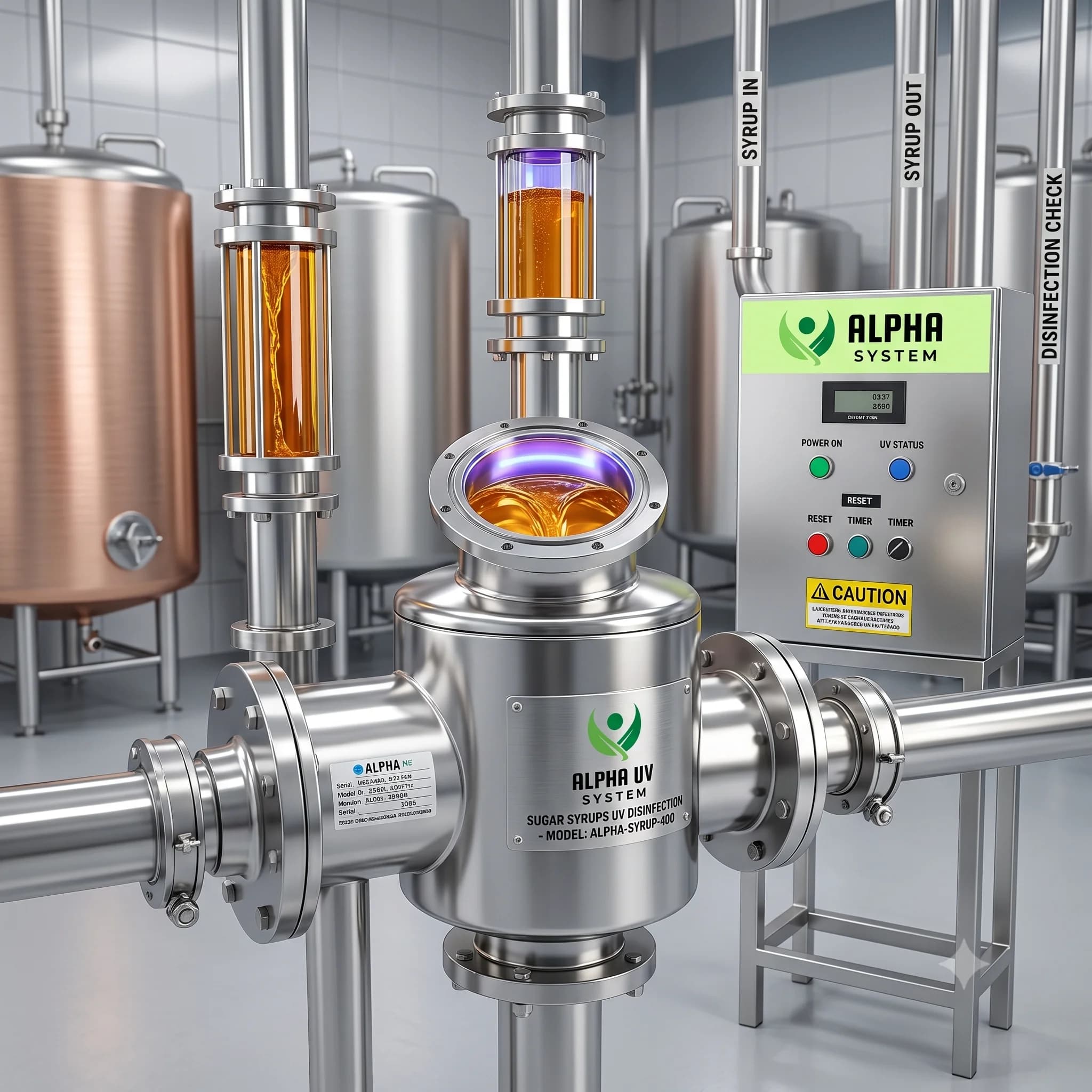
Osmophilic yeast, acid-tolerant bacteria, and spoilage moulds thrive in sugar-rich process environments. Alpha UV Systems delivers UV-C disinfection that eliminates microbial contamination in syrup process water without chemical addition, protecting product quality, shelf life, and FSSAI compliance in your sugar and confectionery facility.
UV Dose
40–80 mJ/cm²
Capacity
2,000 – 50,000 LPH
Sugar and syrup manufacturing presents one of the most challenging microbiological environments in the food processing industry. The combination of high sugar concentrations, warm processing temperatures, and moisture creates ideal conditions for a specialised group of spoilage organisms — organisms that are poorly controlled by conventional water disinfection and preservation methods. Understanding these organisms is the first step to understanding why UV-C disinfection is the preferred solution for FSSAI-compliant sugar processing facilities.
Osmophilic yeasts — principally Zygosaccharomyces bailii, Z. rouxii, and Torulaspora delbrueckii — are the primary threat. These organisms evolved specifically to survive and grow in high-sugar environments. They are highly resistant to preservatives including potassium sorbate, sodium benzoate, and sulphur dioxide at concentrations permitted under FSSAI regulations. They tolerate pH values as low as 1.8, making acidification an ineffective control. Once present in process water, osmophilic yeasts colonise equipment surfaces, form biofilms in pipework and tanks, and continuously recontaminate syrup batches. The result is fermentation — CO2 gas production that causes swollen and burst packaging, off-flavours that make products unsaleable, and contamination that propagates through the entire production environment.
Leuconostoc mesenteroides is a second major concern in sugar facilities. This heterofermentative lactic acid bacterium produces copious slime (dextran) when it contacts sucrose solutions. In sugar refineries, dextran contamination dramatically reduces filtration efficiency, slows crystallisation, and reduces sugar yield — costing hundreds of thousands of rupees in processing losses per contamination event. The FSSAI dextran limits for refined sugar (typically < 200 ppm) are regularly exceeded in plants without adequate process water disinfection.
Aspergillus and Penicillium moulds complete the spoilage picture, contaminating process water through airborne spores and surviving inadequately treated supply water. Mould growth in sugar products — even at low colony counts — is a direct FSSAI violation requiring mandatory product withdrawal under the Food Safety and Standards Act, 2006.
The inactivation data above, drawn from Food Microbiology (Elsevier) peer-reviewed research, demonstrates that UV-C at 40 mJ/cm² achieves greater than 3.2 log reduction of Z. bailii (the most UV-resistant osmophilic yeast) and greater than 4.5 log reduction of S. cerevisiae and Lactobacillus — effective inactivation for all economically significant spoilage organisms in sugar process water.
Yeast contamination in sugar and syrup plants follows a characteristic pattern. Initial contamination through process water introduces small numbers of osmophilic yeast cells. These cells multiply in warm, sugar-rich process water and equipment surfaces, gradually building up biofilm reservoirs. Batch rejection rates start at a few percent and escalate over months as the biofilm load increases. Regular sanitation slows the progression but rarely eliminates established biofilm populations without targeted intervention at the water supply.
The financial impact is severe. A syrup production line operating at 10,000 LPH with a 5% batch rejection rate wastes 500 litres per hour of raw materials, energy, packaging, and labour costs. At typical syrup production economics, this represents INR 8–15 lakhs per year in direct losses from a single 10,000 LPH line — before accounting for customer returns, rework costs, and regulatory compliance investigation expenses.
UV disinfection, applied consistently to process water, breaks this cycle at its source. By eliminating viable yeast and spoilage bacteria from process water before it enters the production environment, UV prevents the initial colonisation that leads to escalating contamination. Plants that implement UV water treatment as part of a comprehensive HACCP plan routinely report batch rejection rates dropping from 4–8% to below 0.5% within three to six months of installation.
The comparison chart above, based on Food Microbiology (Elsevier) data and FSSAI product recall incident records, shows a typical trajectory: without UV, spoilage rates worsen progressively as biofilm establishes in the facility. With UV, rates fall sharply after installation and stabilise at very low levels within six months as the environmental biofilm reservoir is depleted through regular cleaning.
One technical consideration specific to sugar and syrup applications is the effect of dissolved sugar on UV transmittance (UVT). Pure water transmits approximately 95% of 254 nm UV-C light through a 10 mm path length (the standard measurement). As dissolved sugar concentration increases, UVT decreases because sugar molecules absorb some UV-C energy and scatter light, reducing the effective dose reaching microorganisms.
This effect becomes significant above 10 Brix. At 20 Brix (a typical intermediate syrup concentration), UVT drops to approximately 58%, meaning UV lamps must deliver significantly more intensity to achieve the required germicidal dose at the target flow rate. At 40 Brix (a concentrated syrup), UVT falls to approximately 32%, making direct UV treatment of the syrup impractical for economic reasons.
The correct application of UV in sugar and syrup facilities is therefore to treat process water and dilution water at low sugar concentration — typically 0–10 Brix — before it contacts concentrated sugar streams. Alpha UV Systems engineers the UV system placement to intercept all water streams at or near their lowest sugar content, maximising UV efficacy and minimising the required lamp capacity.
The UVT curve above, derived from USEPA UV Guidance Manual (EPA 815-R-06-007) Appendix B data on UV transmittance by dissolved substance type, illustrates the practical working range for UV treatment in sugar applications. Alpha UV Systems designs all installations after site-specific UVT measurement, ensuring that the UV dose delivered at your facility's actual water quality meets or exceeds the FSSAI minimum requirement.
Different process water streams in a sugar and syrup facility have different sugar concentrations and therefore different UV dose requirements. Alpha UV Systems conducts a process water audit at each installation site to map these streams and specify appropriate UV equipment for each.
Incoming Raw Water: Typically 0 Brix with UVT 85–95%. Standard UV dose of 40 mJ/cm² at design flow rate. Smallest, most economical UV unit.
Pre-dilution and Blending Water: Typically 0–5 Brix. UVT 88–95%. Standard UV system sufficient. This is the highest-priority treatment point as this water contacts sugar in the dissolving vessel.
CIP Rinse Water: Zero Brix but may contain trace cleaning agents reducing UVT to 70–85%. UV system sized for 50 mJ/cm² minimum to account for UVT variation during cleaning cycles.
Condensate Recovery Water: Variable composition depending on process. UVT measurement required. UV dose typically 50–60 mJ/cm².
The dose requirement chart above confirms that standard process water (0–5 Brix) requires 40–45 mJ/cm² — achievable with Alpha UV Systems' standard industrial range. Higher-Brix streams require increased lamp capacity and are best addressed by treating the diluent water upstream rather than the concentrated syrup.
The traditional approach to microbial control in sugar and syrup processing involves a combination of sulphur dioxide (SO₂) fumigation for dry sugar storage, potassium sorbate or sodium benzoate addition to liquid products, and chlorine treatment of process water. Each of these approaches carries significant regulatory and practical limitations under current FSSAI and Codex STAN 212 standards.
Sulphur Dioxide (SO₂): FSSAI permits maximum SO₂ residuals of 70 mg/kg in certain sugar products and 0 mg/kg in others (infant food, etc.). Codex STAN 212 sets similar limits. SO₂ is highly pH- and concentration-dependent in its microbial efficacy and provides no protection against osmophilic yeasts at permitted concentrations. It also has occupational health implications — SO₂ is an irritant gas requiring personal protective equipment and ventilation controls. Worker exposure limits under Indian factories legislation require careful management.
Potassium Sorbate and Sodium Benzoate: FSSAI limits for these preservatives in sugar products are tightly controlled and category-specific. Z. bailii and other osmophilic yeasts show significant natural resistance to both compounds at permitted concentrations. These preservatives are cost-positive at effective concentrations and add to the product label declaration, which is increasingly commercially disadvantageous as consumers seek clean-label products.
Chlorine Treatment of Process Water: Effective against most bacteria but poorly effective against osmophilic yeasts at food-safe concentrations. Creates THM disinfection by-products in the presence of organic matter. Requires dechlorination before contact with sugar to avoid flavour impact and oxidative degradation of product colour.
UV disinfection has none of these limitations. It is not a preservative and therefore has no FSSAI-regulated concentration limit. It leaves no detectable residual. It is effective against all organisms including osmophilic yeasts at commercially practical UV doses. And it requires no occupational health controls beyond standard UV safety interlocks (automatic lamp shutdown when chamber access is opened).
The spoilage reduction comparison above demonstrates that UV process water disinfection achieves 96% batch spoilage reduction versus baseline — outperforming SO₂ (78% reduction), potassium sorbate (65%), and sodium benzoate (60%) — while being the only option that achieves this result without any chemical addition to the product or product water.
The annual operating cost comparison above covers a 10,000 LPH sugar syrup plant. UV disinfection of process water costs approximately INR 0.9 lakhs per year in lamp replacement and power, versus INR 3.8–5.2 lakhs per year for chemical preservation approaches. The operational advantage compounds when spoilage-related batch rejection costs are included: plants using UV disinfection report total quality costs (treatment + spoilage + compliance) approximately 75–80% lower than plants using chemical approaches.
Alpha UV Systems manufactures UV disinfection units at our facility and deploys them across India's food processing sector. Our systems for sugar and syrup applications are built from food-grade 316L stainless steel with sanitary tri-clamp connections for CIP compatibility. Each system includes calibrated UV intensity monitoring, automatic lamp-failure alarms, and SCADA-compatible 4–20 mA output for integration with your plant control system.
Our IIT Patna-trained engineers bring both technical UV expertise and FSSAI compliance knowledge to every installation. We review your HACCP plan, identify all critical water contact points, measure UVT across your process water streams, and design a UV system configuration that provides documented, validated protection at every stage.
For a site assessment and UV system proposal for your sugar or syrup plant, contact Alpha UV Systems:
WhatsApp: 9318305878 — 24–48 hour response guaranteed.
Eliminate osmophilic yeast. Prevent fermentation losses. Meet FSSAI and HACCP requirements without chemical addition — with UV disinfection engineered for India's sugar industry.
Recommended Products
IIT Patna engineers recommend these systems for sugar & syrup uv applications based on flow rate, required UV dose, and compliance standard. Both systems use genuine Philips UV-C lamps and ship with complete compliance documentation.
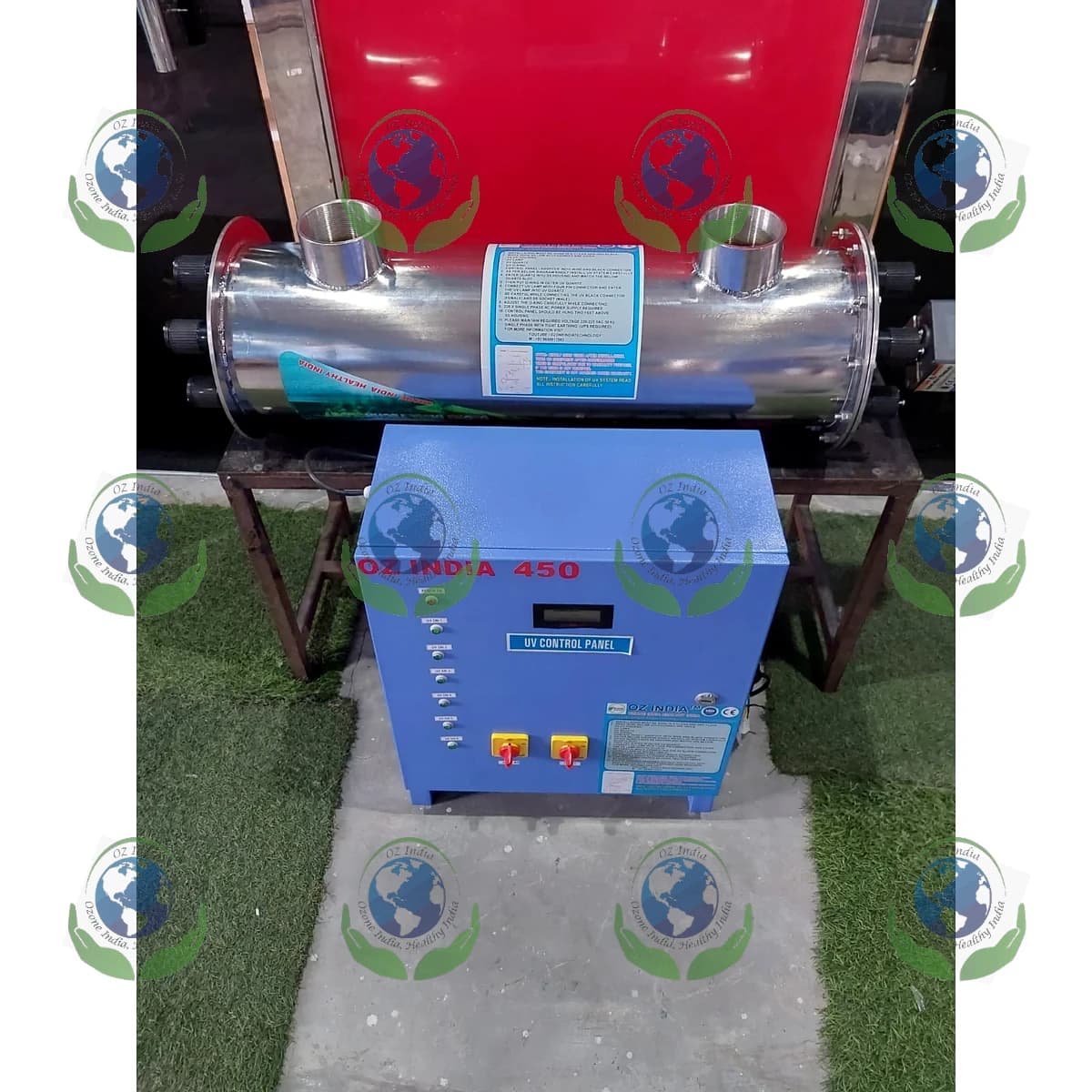
High-flow UV water treatment for pharmaceutical WFI, food & beverage process water, and industrial applications. Revised Schedule M 2025, HACCP, and FSSAI compliant. IQ/OQ/PQ documentation.
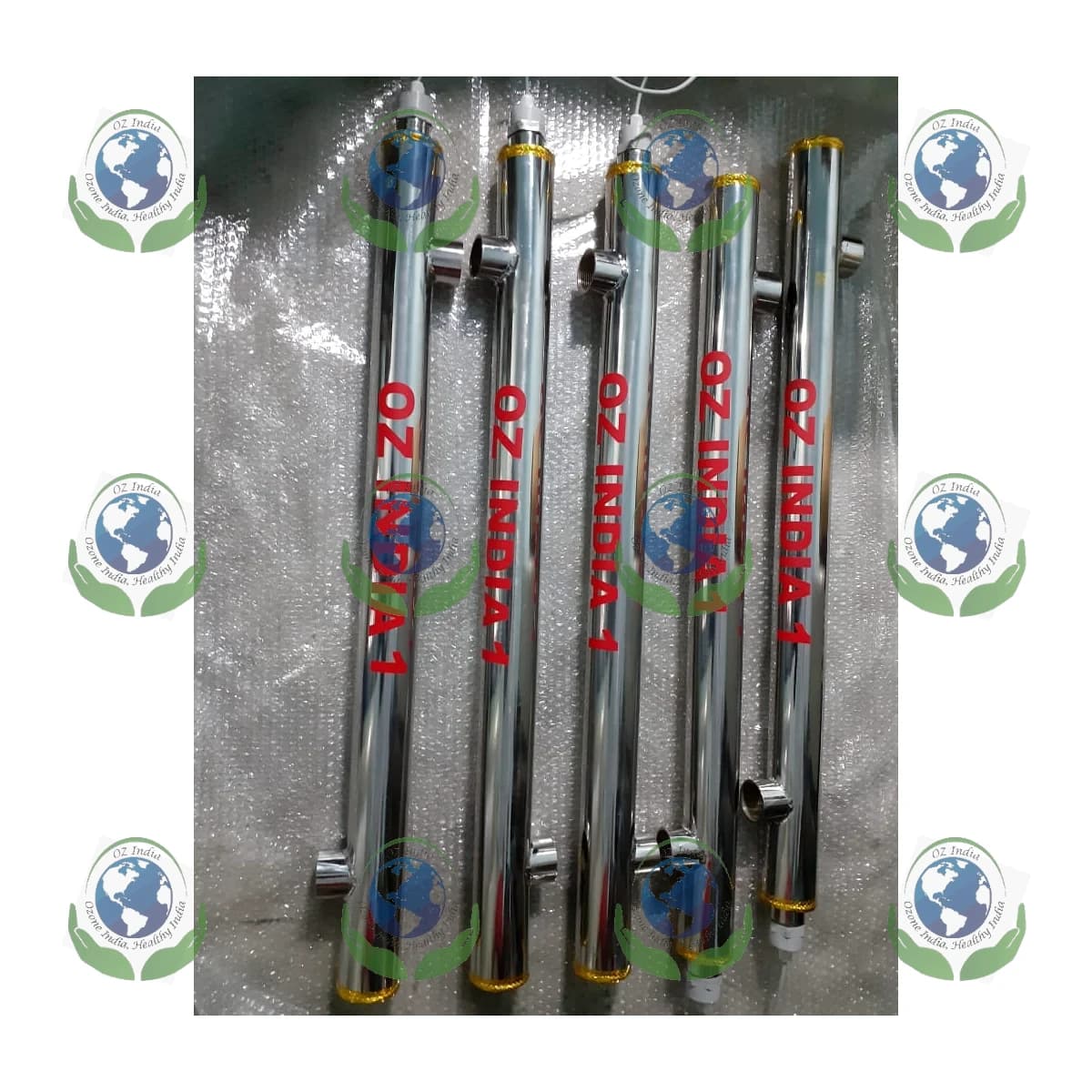
UV water disinfection for hotels, restaurants, offices, and educational institutions. HACCP and FSSAI compliant documentation. Trusted by Taj Hotels, McDonald's India, and IIT Kanpur.
IIT Patna Engineering
Alpha UV System IIT Patna engineers calculate UV dose from your actual water quality parameters — measured UVT, flow rate, target log reduction, and the specific compliance standard that governs your facility. Not from catalogue sizing tables or generic assumptions. Every system ships with a signed UV dose calculation report, a Philips certificate of authenticity, and compliance documentation prepared for the regulatory framework applicable to sugar & syrup uv operations.
From measured UVT, flow rate, and target log-reduction. Signed by IIT Patna engineer.
FSSAI Food Safety Standards · Codex STAN 212-1999 (Sugars) · IS 10500:2012 · HACCP Principles (Codex CAC/RCP 1-1969) — documentation prepared to the audit checklist, not generic templates.
WhatsApp your flow rate, water quality, and compliance requirement — engineering-backed quote in 2 hours.
Mon–Sat · 9 AM–6 PM IST · IIT Patna alumni on call
Send us your flow rate and compliance requirement — quote with engineering rationale in 2 hours.
+91 93183 05878
Get Quote →
Call Direct
+91 95995 00580
Tap to Call →
Send Enquiry
Detailed specifications form
Open Form →
