Manufactured in Greater NoidaGenuine Philips UV-C LampsIIT Patna Alumni on Our TeamExporting to 20+ Countries
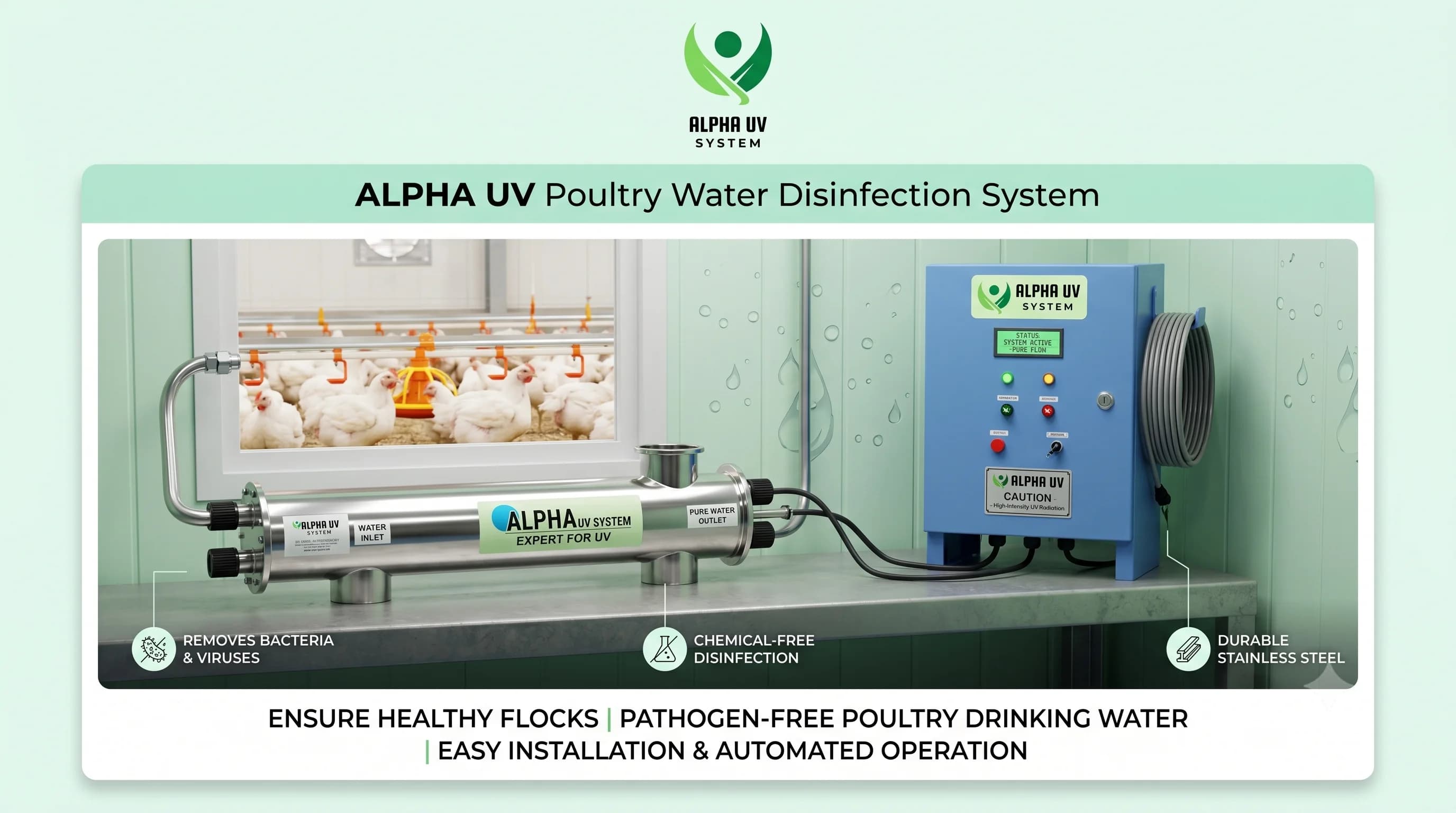
Poultry farming faces a direct link between drinking water quality and flock health, mortality, and meat safety. Salmonella and Campylobacter — the two pathogens responsible for the majority of human foodborne illness outbreaks globally — enter poultry flocks primarily through contaminated drinking water. Infected flocks shed these organisms throughout the rearing house, creating persistent contamination that passes to the slaughterhouse and ultimately to consumers. UV disinfection of poultry drinking water eliminates Salmonella and Campylobacter from the water source before it reaches the birds, breaking the primary contamination cycle. Alpha UV System poultry farm UV systems are compact, low-maintenance units designed for the variable power supply and basic operational environment of commercial poultry operations.
UV Dose
40 mJ/cm²
Capacity
500 – 10,000 LPH
Nipple drinkers and bell drinkers in modern poultry houses are ideal environments for Salmonella and Campylobacter biofilm formation. Water at ambient temperature stagnates in distribution pipes between feeding cycles, allowing bacterial growth on pipe surfaces and drinker components. Birds drinking from colonised drinkers ingest organisms continuously throughout the rearing period — by slaughter age, a majority of birds in a contaminated house will be colonised. UV disinfection installed on the main water supply line before the poultry house ensures that all water entering the drinker system is pathogen-free. This eliminates the primary contamination route and significantly reduces flock Salmonella and Campylobacter prevalence. Studies in European broiler operations using UV water treatment report 40–70% reductions in Salmonella-positive flocks at slaughter compared to untreated controls.
Poultry require clean water for optimal growth performance — turbid or bacterially contaminated water reduces feed conversion ratios (FCR) as birds drink less than their requirement when water quality is poor. For broilers, the recommended water quality standard is zero E. coli per 100 mL and total bacteria count below 100 CFU/mL at the drinker. Municipal borehole or surface water sources used on commercial farms may not meet these standards without treatment. UV disinfection of the farm water supply, combined with a basic sediment filter to remove turbidity, achieves the required water quality at minimal operating cost. For large integrated poultry operations with controlled water supply, UV is specified as a standard biosecurity measure in the site quality management system.
Poultry processing plants use large volumes of water for carcass washing, chiller water, equipment wash-down, and HACCP-required hygiene stations. Contaminated wash water is a significant source of cross-contamination in poultry processing — if the water used to wash one carcass carries Salmonella from a positive bird, it can contaminate subsequent carcasses. UV disinfection of chiller water and processing wash water at the inlet to the processing hall provides a continuous pathogen barrier. For FSSAI-licensed poultry processing plants, UV on processing water is a documented HACCP CCP that auditors expect to see in the food safety plan. Alpha UV System processing water UV systems are sized for the peak flow rate of the processing line.
Nipple drinker systems in modern poultry houses operate at low pressure (0.5–2 bar) and relatively low flow rates. The UV system is installed on the water line entering the poultry house, between the header tank (or pressure regulator) and the first drinker line. A standard 500–2,000 LPH UV unit serves a typical broiler house of 20,000–40,000 birds. For large integrations with multiple houses served from a central pump station, a single larger UV unit (5,000–10,000 LPH) at the farm header can treat all house supply water simultaneously. The UV unit requires 220V single-phase power — standard farm supply — and the control panel is compact enough to mount on the poultry house wall.
The economic case for UV water disinfection in poultry operations is straightforward. A single Salmonella outbreak in a broiler flock — from partial depopulation and decontamination costs — costs ₹2–5 lakhs per shed. An antibiotic treatment programme for waterborne illness adds ₹50,000–2,00,000 per flock depending on flock size and drug used. A UV system for a 20,000-bird house costs ₹25,000–60,000 installed, with an annual operating cost of ₹3,000–5,000 for lamp replacement and electricity. The return on investment is achieved in less than one prevention event. For integrated poultry operations seeking to reduce antibiotic use as part of AMR (antimicrobial resistance) management programmes, UV water disinfection is a direct substitute for prophylactic antibiotics in drinking water — the approach increasingly required by export markets and retail buyer standards.
Recommended Products
IIT Patna engineers recommend these systems for poultry farms applications based on flow rate, required UV dose, and compliance standard. Both systems use genuine Philips UV-C lamps and ship with complete compliance documentation.
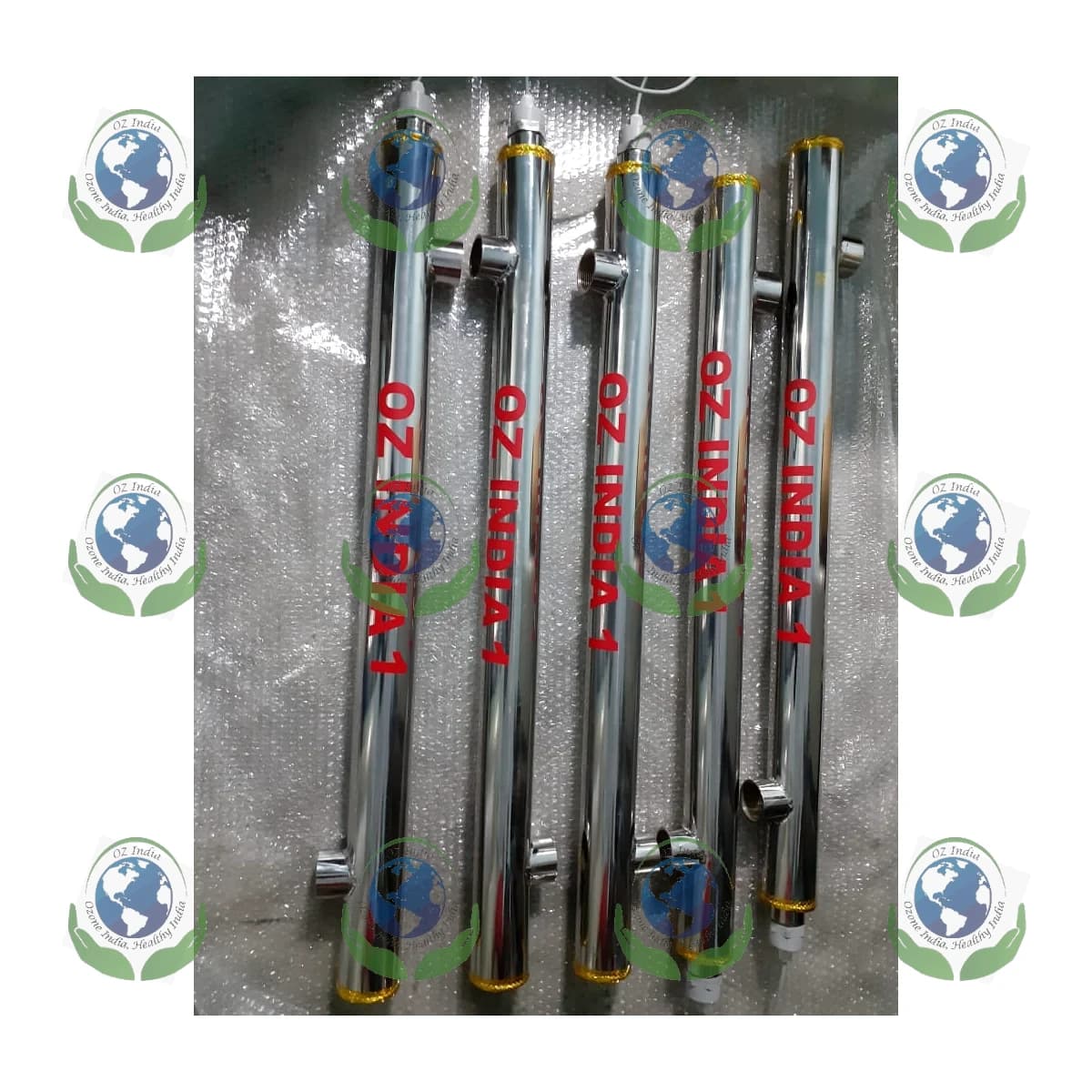
UV water disinfection for hotels, restaurants, offices, and educational institutions. HACCP and FSSAI compliant documentation. Trusted by Taj Hotels, McDonald's India, and IIT Kanpur.
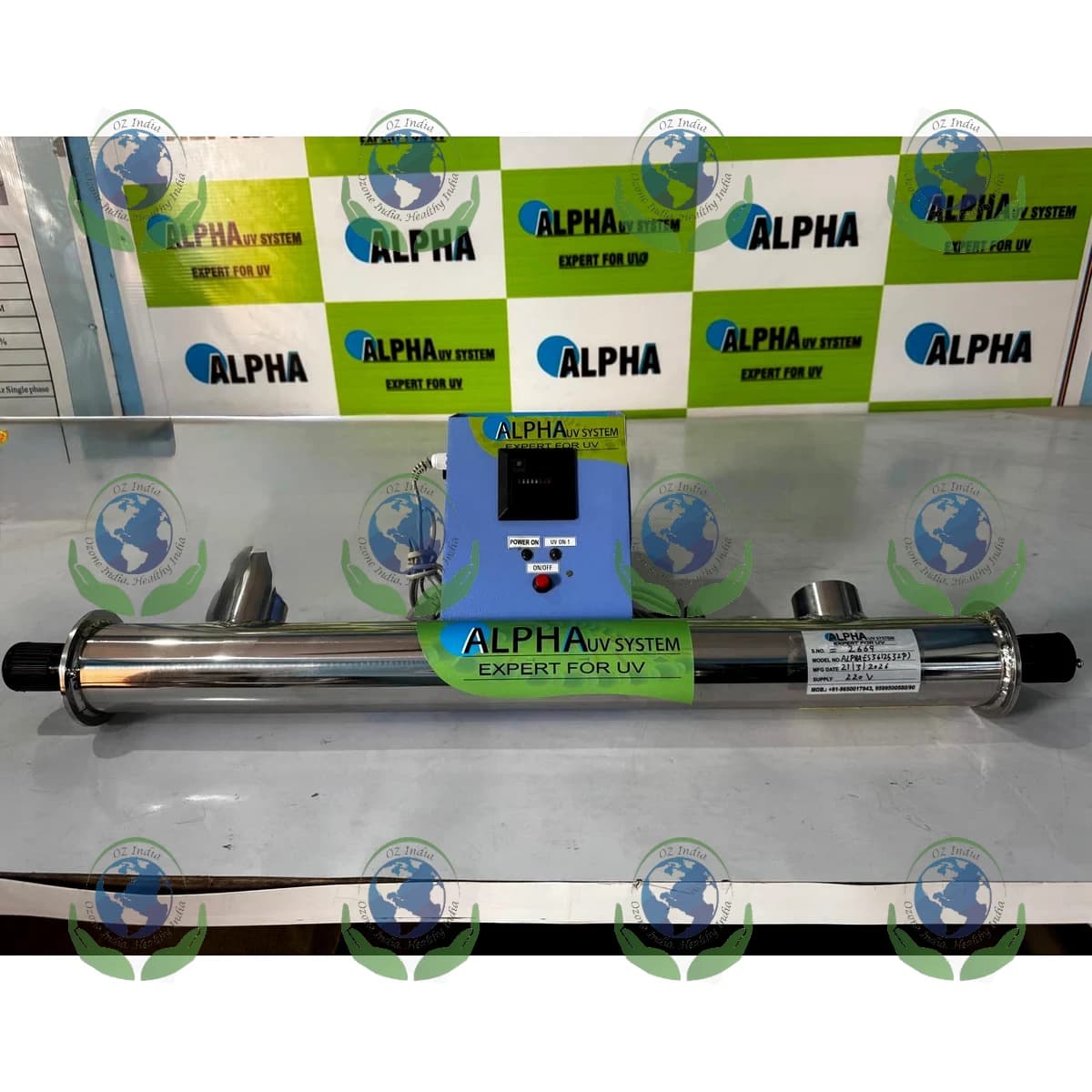
WHO-compliant UV disinfection for drinking water across all scales. From 100 LPH residential units to 50,000 LPH systems. No chemicals, no taste change, 100% water efficiency. Philips UV-C lamps.
IIT Patna Engineering
Alpha UV System IIT Patna engineers calculate UV dose from your actual water quality parameters — measured UVT, flow rate, target log reduction, and the specific compliance standard that governs your facility. Not from catalogue sizing tables or generic assumptions. Every system ships with a signed UV dose calculation report, a Philips certificate of authenticity, and compliance documentation prepared for the regulatory framework applicable to poultry farms operations.
From measured UVT, flow rate, and target log-reduction. Signed by IIT Patna engineer.
FSSAI · Animal Welfare Board · State veterinary norms — documentation prepared to the audit checklist, not generic templates.
WhatsApp your flow rate, water quality, and compliance requirement — engineering-backed quote in 2 hours.
Mon–Sat · 9 AM–6 PM IST · IIT Patna alumni on call
Send us your flow rate and compliance requirement — quote with engineering rationale in 2 hours.
+91 93183 05878
Get Quote →
Call Direct
+91 95995 00580
Tap to Call →
Send Enquiry
Detailed specifications form
Open Form →
