Manufactured in Greater NoidaGenuine Philips UV-C LampsIIT Patna Alumni on Our TeamExporting to 20+ Countries
Quick Answer
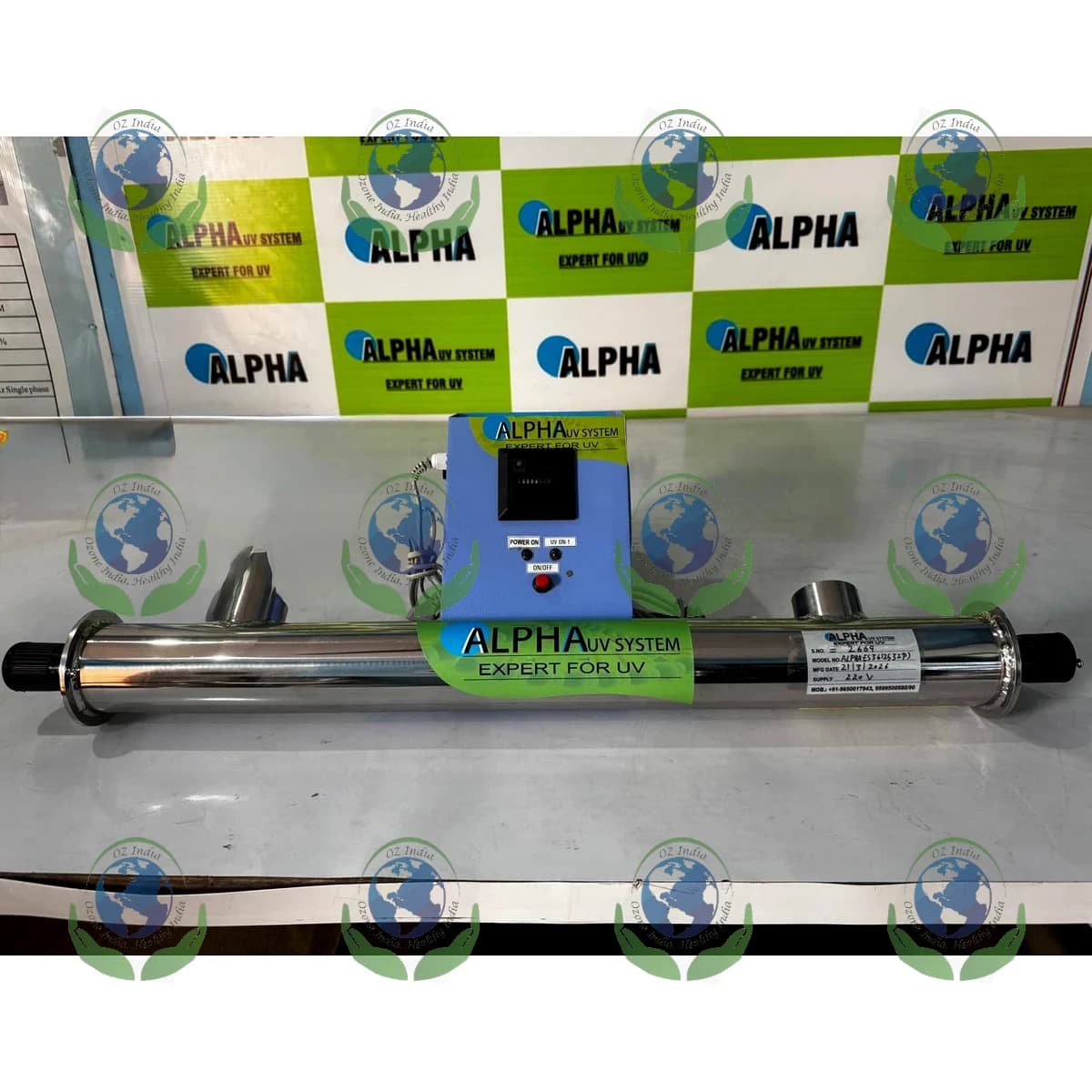
The Alpha UV TOC Reduction UV System uses 185 nm UV to generate hydroxyl radicals (AOP) that oxidise dissolved organic carbon to CO₂ — reducing TOC to below the USP Chapter 643 limit of 500 ppb in pharmaceutical purified water, with no activated carbon, no regeneration, and no waste stream. Sized 100 to 10,000 LPH, USP/EP/SEMI F63 compliant.
185 nm UV oxidation for ultrapure water TOC reduction — USP, EP, SEMI, and Schedule M 2025
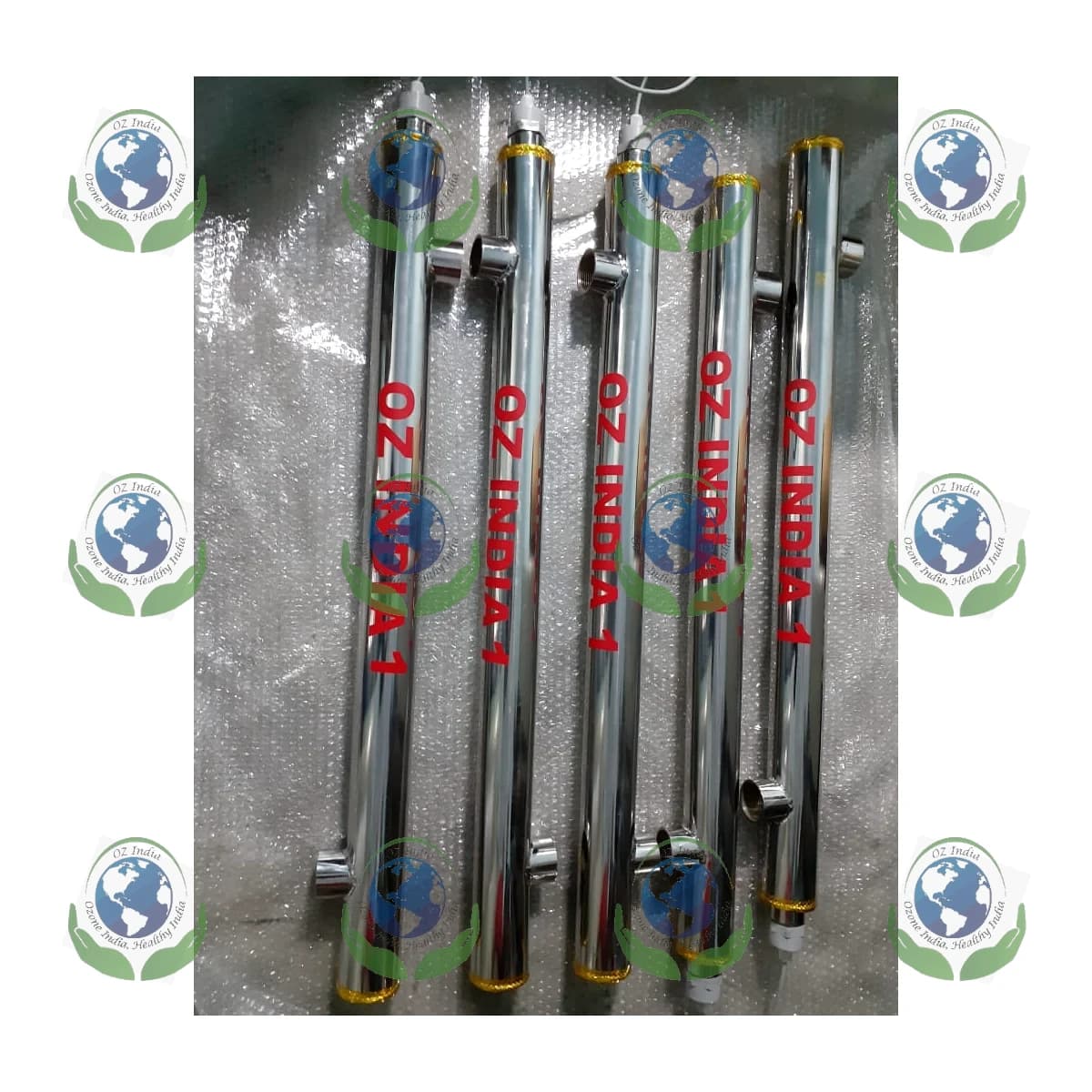
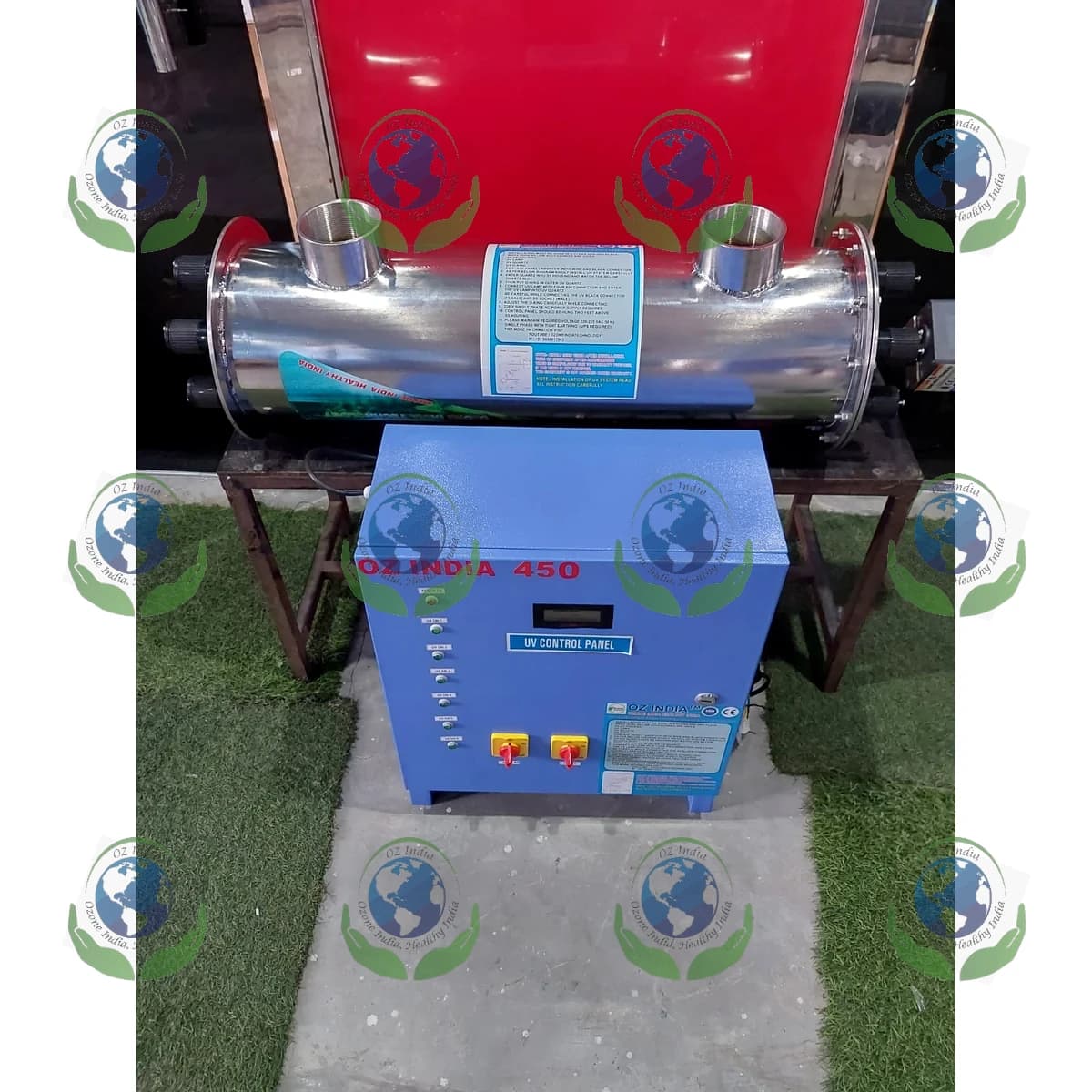
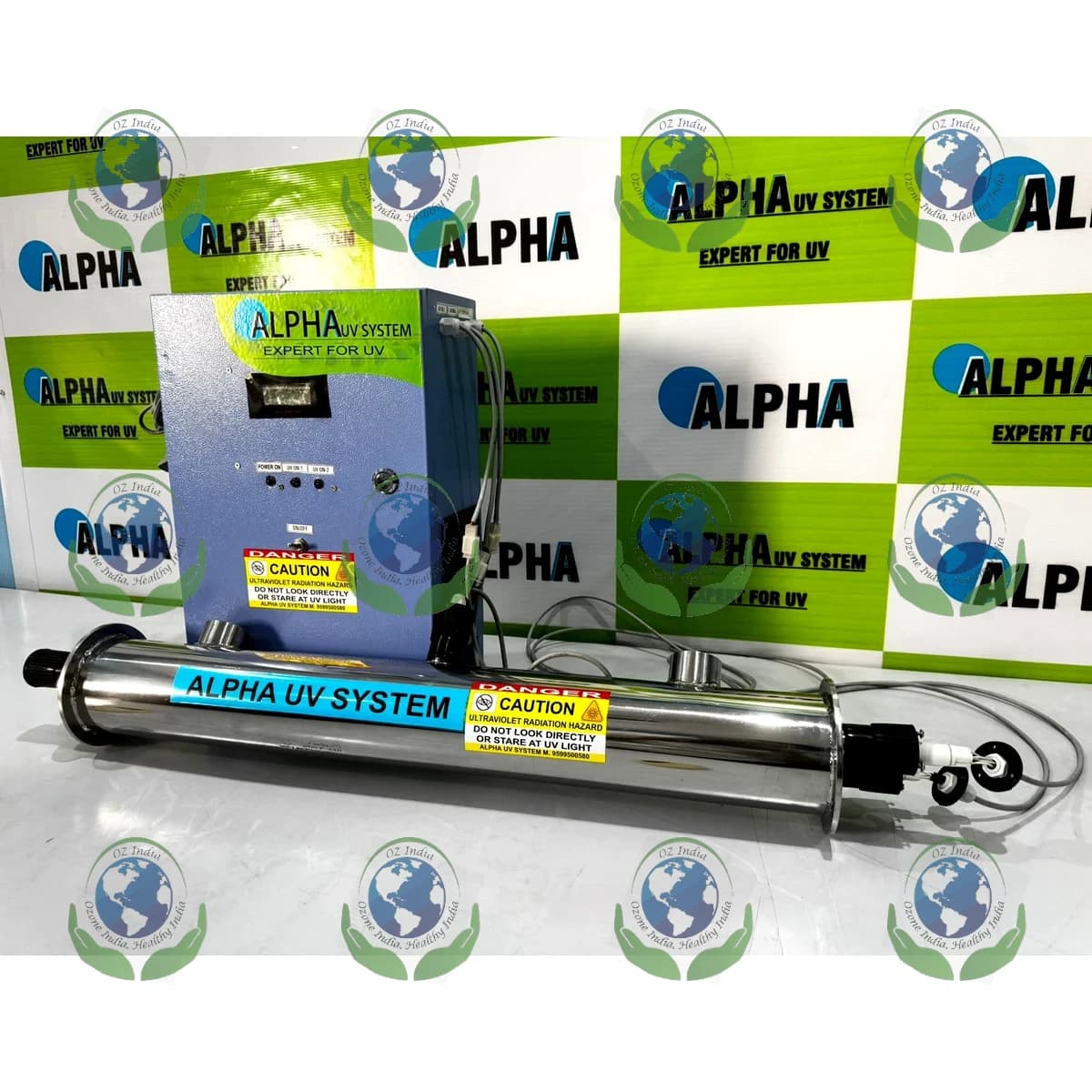
Total Organic Carbon (TOC) control is mandatory in pharmaceutical purified water (USP Chapter 643: less than 500 ppb), WFI (less than 500 ppb), semiconductor process water (SEMI F63: less than 1 ppb), and high-purity laboratory water. Activated carbon reduces TOC but requires periodic regeneration, generates a waste stream, and is a potential microbial growth site. UV TOC reduction uses 185 nm photons to generate hydroxyl radicals (OH·) via the Advanced Oxidation Process (AOP), oxidising dissolved organic compounds to CO₂ and water — with no consumable media, no regeneration cycle, and no secondary waste. Alpha UV TOC reduction UV systems use high-intensity 185 nm lamps in an SS316L electropolished quartz-sleeve reactor, sized from your measured TOC inlet load and target outlet specification. At 100–400 mJ/cm² dose, 185 nm UV achieves the mineralisation needed to bring TOC from typical purified water loop levels (1,000–5,000 ppb) to below the USP 500 ppb limit in a single pass. For semiconductor SEMI F63 (less than 1 ppb), multi-stage or high-dose configurations are engineered by our IIT Patna team. Each system ships with a 185 nm lamp COA and TOC reduction calculation report.
Capacity
100 – 10,000 LPH
SS316L chamber · Philips UV-C lamp
Every Alpha UV System reactor geometry is validated through CFD simulation using ANSYS Fluent. The analysis below shows velocity streamlines and UV dose distribution across the reactor cross-section, confirming that minimum dose targets are met across the entire chamber volume — not just at the chamber centreline.
Turbulence Model
k-ε Realizable
Mesh Elements
~3.2 million cells
Convergence Criterion
Residuals < 10⁻⁴
Every TOC UV ships with genuine Philips UV-C lamps. Not unbranded Chinese alternatives. Philips lamps are rated 9,000–12,000 hours — more than double the life of typical Chinese OEM lamps. A serial number certificate of authenticity is included with every lamp.
Lamp Life
9,000 – 12,000 hrs
UV Output Consistency
±5% over lifetime
Certification
CE · RoHS · NSF
185 nm UV photons react with dissolved oxygen to generate hydroxyl radicals (OH·) via the Advanced Oxidation Process (AOP). These radicals are highly reactive and mineralise dissolved organic compounds to CO₂ and water — reducing TOC from thousands of ppb to below the USP Chapter 643 limit of 500 ppb.
254 nm UV inactivates microorganisms by damaging DNA — it is the standard wavelength for disinfection. 185 nm UV generates hydroxyl radicals for organic compound oxidation (TOC reduction) but is also germicidal. Alpha UV TOC reduction systems use lamps emitting both wavelengths — simultaneous TOC reduction and microbial inactivation.
USP Chapter 643 requires purified water TOC below 500 ppb (0.5 mg/L). Alpha UV TOC reduction systems are sized from your measured inlet TOC load to reliably deliver outlet TOC below this limit at rated flow. For semiconductor SEMI F63 requirements below 1 ppb, multi-stage high-dose configurations are available.
Activated carbon beds are a known source of microbial contamination in pharmaceutical water systems — biofilm forms on carbon granules and sheds bacteria into the treated water. UV TOC reduction has no media, no biofilm risk, no regeneration downtime, and no chemical waste — making it the ISPE-preferred method for in-line purified water loop TOC control.
Explore the specific applications this system is engineered for.
Get a Quote
Share your flow rate and application — we'll respond with a UV dose calculation report and quote within 2 hours.
Mon–Sat · 9 AM–6 PM IST · IIT Patna alumni on call
Send us your flow rate and application on WhatsApp — IIT Patna engineers respond in 2 hours.
+91 93183 05878
Get Quote →
Call Direct
+91 95995 00580
Tap to Call →
Send Enquiry
Detailed specifications form
Open Form →